M.Sc. in mental health Nursing (Psychiatric) is a 2 Years postgraduate Neurology course. During this path, students will study ethics, counseling concept, profession development, diagnostic strategies and group Counseling. The main consciousness of the course is in clinical practice in an area of mental fitness carrier Provision.
The Bachelor of Science in Nursing (B.Sc. Nursing) is a 4 years undergraduate medical programme. Nursing education is monitored by the Indian Nursing Council (INC), the programme focus on developing critical care, advanced thinking skills, proficiency and values necessary for the practice of professional nursing and midwifery. The programme prepares students to become responsible citizens by following a code of moral values and conduct at all times while fulfilling personal, social and professional responsibilities. B. Sc. Nursing programme involves classroom study, projects and assignments that enable students to gain practical knowledge of their learning. After the completion of the course, the students compulsorily need to do a six-month internship to experience real-world clinical settings and learn from them.
The course is designed to prepare registered nurses (GNM or B. Sc) with specialized knowledge. Skills and attitude improvising advance quality care to patient requiring specialty nursing care. The Post Basic Diploma in Psychiatric/Mental Health Nursing is designed to prepare nurses with specialized knowledge and skills in curative, preventive and promotive aspects of Psychiatric and Mental Health care.
The course is designed to prepare registered nurses (GNM or B. Sc) with specialized knowledge. Skills and attitude improvising advance quality care to patient requiring specialty nursing care. The Post Basic Diploma in Neuro Science Nursing prepares registered nurses with specialized knowledge, skills and attitude in providing advanced quality care to patients with neurological disorders.
A Ph. D. or doctoral course in Psychiatric Nursing or mental health nursing is a 3 year course which is the appointed position of a nurse that specializes in mental health, and cares for people of all ages experiencing mental illnesses or distress. These include: schizophrenia, schizoaffective disorder, mood disorders, anxiety disorders, personality disorders, eating disorders, suicidal thoughts, psychosis, paranoia, and self-harm. Nurses in this area receive specific training in psychological therapies, building a therapeutic alliance, dealing with challenging behavior, and the administration of psychiatric medication.
The history of the mental health care system in Karnataka dates back to the colonial times. In the18th century, the legendary warrior Tipu Sultan was killed by the British and power was handed back to the Wodeyar clan. A British army regiment was stationed in Bangalore, which was then part of the princely state of Mysore. During the period, especially from 1831-1881, under the administration of British Commissioner Sir Mark Cubbon, the region witnessed a lot of developments in the healthcare system. Western medicine was introduced and hospitals/dispensaries were opened for the care of British infantry, Indian soldiers and civilians.
The Bangalore Lunatic Asylum was founded in 1847. Dr. Charles Irwing Smith, a British medical practitioner in Bangalore, played a pivotal role in the establishment of the asylum. The simple yet airy structured asylum with 50 beds was located at Pete or Pettah , Dharmambudi tank area (the present State Bank of Mysore head office building at the intersection of Kempegowda Road and Avenue Road, Bangalore).
At the asylum, the mentally-ill were allowed to move freely on the premises and were provided with opportunities to take part in activities like rope-making, gardening, cleaning, and other domestic works. In the ensuing years, doctors from Indian Medical Service were appointed and the number of patients at the asylum began to rise. By 1914, about 100 patients were admitted and discharged, on an average, every year.
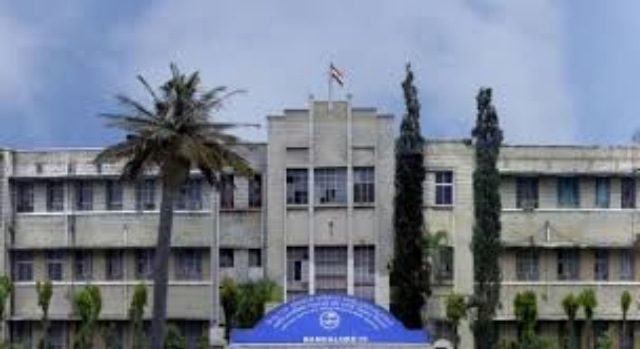
In 1925, the asylum was rechristened Mental Hospital signifying a paradigm shift in management of mental problems. The old asylum / mental hospital on Avenue Road was closed in 1936-37, and the staff and patients moved to the new site Lakkasandra, the second highest hillock in Bangalore.
More than 100 acres of land was donated by the Maharaja of Mysore to establish the Mental Hospital. Dr. Frank Xavier Noronha became the first superintendent of the Mental Hospital. At this time (in 1936), Sir Mirza Ismail held the coveted position of the Dewan of Mysore. This period was billed as the golden age of Mysore. Both Sir Ismail and Dr. Noronha were keen gardeners and avid horticulturists. Their common passion for well-designed public spaces led to the formation of a new structure for the Mental Hospital encompassing vibrant gardens replete with lush landscapes and open spaces. The duo personally planted many of the exotic tree species that can still be seen on the campus.


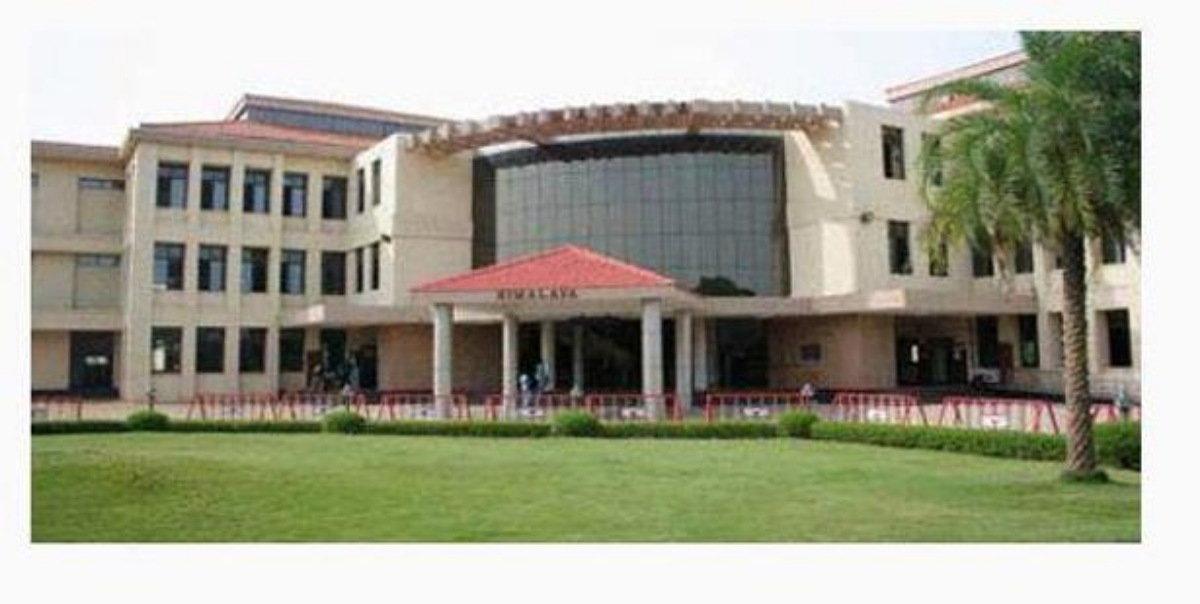
Department of Nursing, Ashwini Block, National Institute of Mental Health and Neuro Sciences (NIMHANS) Hosur Road / Marigowda Road, (Lakkasandra, Wilson Garden) Bangalore – 560029 Karnataka, India.