B.E. Biomedical Engineering is a 4-year UG course with a specialization in the field of biomedical and related aspects. Biomedical Engineering is one such stream of engineering which utilizes engineering knowledge and skills to help find solutions related to medical and biological problems. It is a multi-disciplinary subject which incorporates knowledge of various engineering domains like electrical, electronics, computer, and instrumentation to utilize it in a practical sense at the biological level.
B.E. Civil Engineering is a 4-year full-time undergraduate engineering course deals with the construction, design, and maintenance of structures and works like tunnels, bridges, buildings, canals, waterworks, airports, sewage systems, waterways and canals, highways and railroads, dams and powerhouses, sewage disposal system, water treatment, ports, harbors, docks, etc. B.E. Civil Engineering course introduces the elements of surveying with construction on applications for the construction process.
B.E. Electrical & Electronics Engineering (EEE) is 4-year undergraduate degree course that deals with all the areas of electronics and electrical engineering. hose areas include circuits, machines, Power systems, instruments etc. Electrical Engineering is responsible for generating, transferring and conversion of electric power. Electronic engineering is an engineering field that deals with transmission of information using radio signals. The main objective of this course is to make the students more productive and professionally more innovative in the field of electronics and electrical industry.
B.E. Electrical and Communication Engineering (ECE) is a 4 year undergraduate degree program , deals with the investigation and study of design, installation, manufacture, and operation of electronic tools a, d equipment, telecommunication systems, systems and machinery, radio, computers, and TVs used in the computer industry, hospitals, entertainment media, defense forces and in numerous other areas. The program provides a sound establishment for people wishing to seek a career in Electronics & Communication engineering, control systems, communications, sensor systems and robotics through an assorted scope of practical experience and theoretical skills, exhibited with regards to real applications and design expertise and experience.
B.E. Mechanical Engineering is a 4-year undergraduate Engineering course, deals with the study of mechanics, kinetics, statistics, material science, thermodynamics, and structural dynamics used in development, designing, production, construction, operation, installation, and maintenance of machines, tools, and various other mechanical equipment. B.E. Mechanical Engineering course introduces fundamental concepts of machine design system and machine operation. In this course, candidates learn the physical properties of motion, force, stress, and principles of equilibrium, elasticity, compatibility and the behavior of machines.
B.E. Computer Science is a 4 year undergraduate Engineering course deals with the construction, design, maintenance, operation of computer software and hardware. This course introduces the software and hardware aspects of both computer applications and computer design. The course explores the interaction between modern computer science and related technologies that have evolved design principles of engineering and mathematical into the developmental of modern computing systems.
M.E. Thermal Engineering is a 2 year postgraduate course in the domain of mechanical engineering with a specialization in the field of thermal process and thermodynamics related aspects. Study of temperature that is the degree of hotness or coolness of substance, or structure is the concerned area for thermal studies. Today, where power is generated at large scale and distributed through multiple channels the importance of thermal studies, has become all the more important. As a sub-division of Mechanical Engineering, Thermal engineering deals with thermal properties of materials, body, and substances so, as to define their usage and utility in design and structuring of power generation equipment that dissipate heat in large amount.
M.E. in VLSI (Very large Scale Integration) design is a post Graduate course in the area of electronics engineering with a specialization within the field of VLSI based circuit design. M.E. in VLSI design course is framed in such a way that students are provided with practical and analytical outlook in relation to circuit designing involving VLSI. students are taught about the various aspects related to the VLSI design like usage of design software programs, circuit simulation, circuit design, implementation, and testing.
M.E. in Power System Engineering is a full-time 2 year post-graduate program , the course dwells in detail into the aspects of power generation its control and management with the application of newer energy systems. The study not only depends on learning about the balance between generation and load or between consumption ratio to production but also enables candidates to know the ways to manage the balance using technological means.
The program uses the integrated system of power engineering in order to train students in equating balance by the use of the sophisticated technical process. Students are given a thorough understanding of different elements such as types of drives & power converters, its workings, and controls. Candidates gain a deeper understanding of the critical aspects of power systems, train them in analyzing and computing the ratio efficiently.
M.E. in computer Science Engineering is a full-time 2 year Postgraduate master’s degree. M.E. in computer Engineering course combines the computer science and electrical engineering academic disciplines to increase the new computer systems. in this course, candidates combine their understanding of computer software and hardware to develop new computer devices or improve an existing device. This course aims to train students on procedures and the newest relevant techniques in computer engineering field.
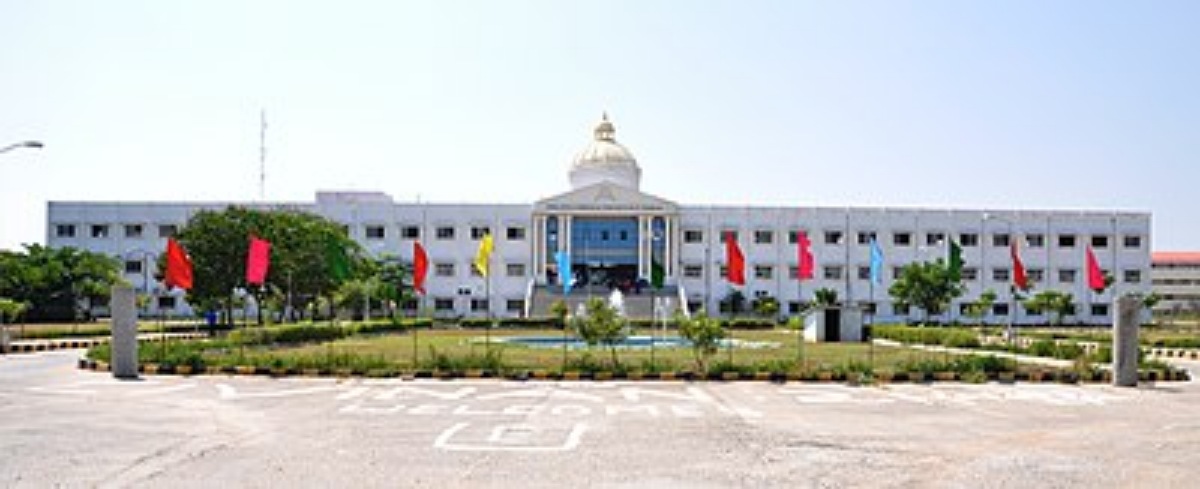
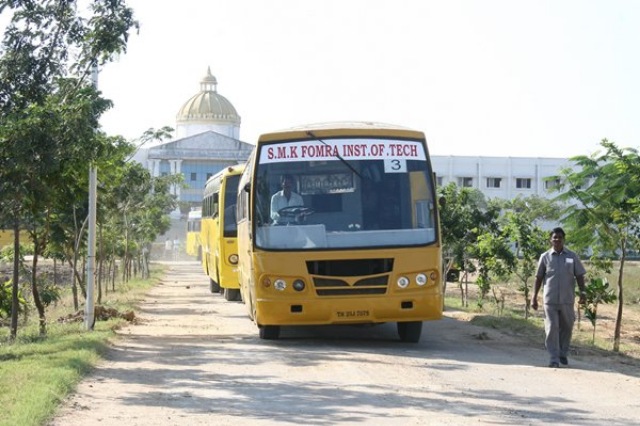
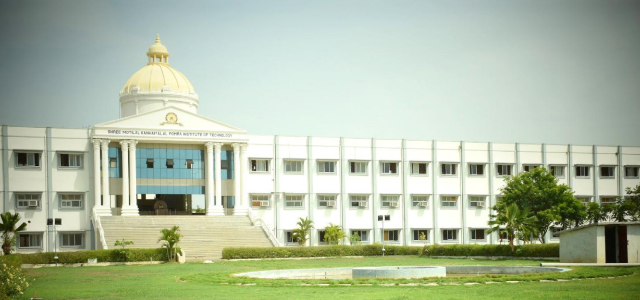
Shree Motilal Kanhaiyalal Fomra Institute of Technology (SMK FIT) , commonly known as SMK FIT, is an engineering college located in Chennai, Tamil Nadu, India. The college is approved by AICTE, New Delhi and affiliated to Anna University, Chennai. It is an ISO 9001:2015 certified Institution. Shree Motilal Kanhaiyalal Fomra Institute of Technology was established in 2001 and is affiliated to Anna University. The founder of the college is Shree Motilal Kanhaiyalal who formed the Trust in the year 1995. The Institution is owned by the Fomra family, who also own the company Fomra Electricals.
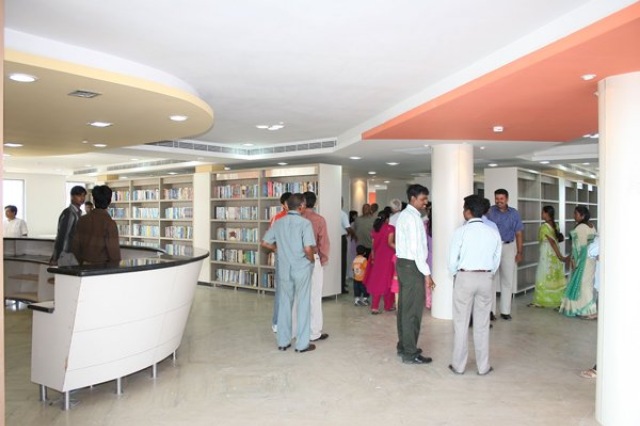
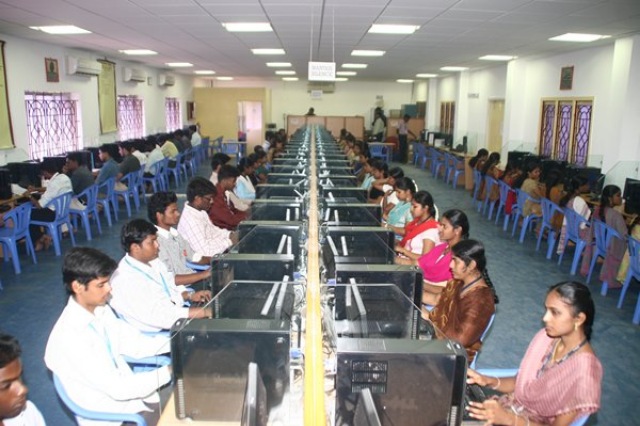
The College is located in Thaiyur village near Kelambakkam on Old Mahabalipuram Road (I.T. Highway), 35 km from Chennai. The College is spread over an area of 25 acres of land amidst a picturesque landscape. A serene and eco-friendly enclave with 5 academic blocks,Air-conditioned conference hall, board room, placement room, laboratories and two auditoriums with modern amenities and equipments,Well laid play fields for outdoor games like basketball, volleyball, badminton etc.A library covering a wide range of subjects with separate reference sections.Canteen serving nutritious and vegetarian food cooked under healthy and sanitized conditions.


SMK Fomra Institute of Technology, Fomra Nagar, Rajiv Gandhi Salai, (OMR), IT Highway, Kelambakkam, Chennai - 603 103